Sub-Zero ice maker and ice system repair
Ice makers and in-cabinet ice systems, diagnosed by watching a full fill, freeze and harvest cycle rather than by swapping the assembly.
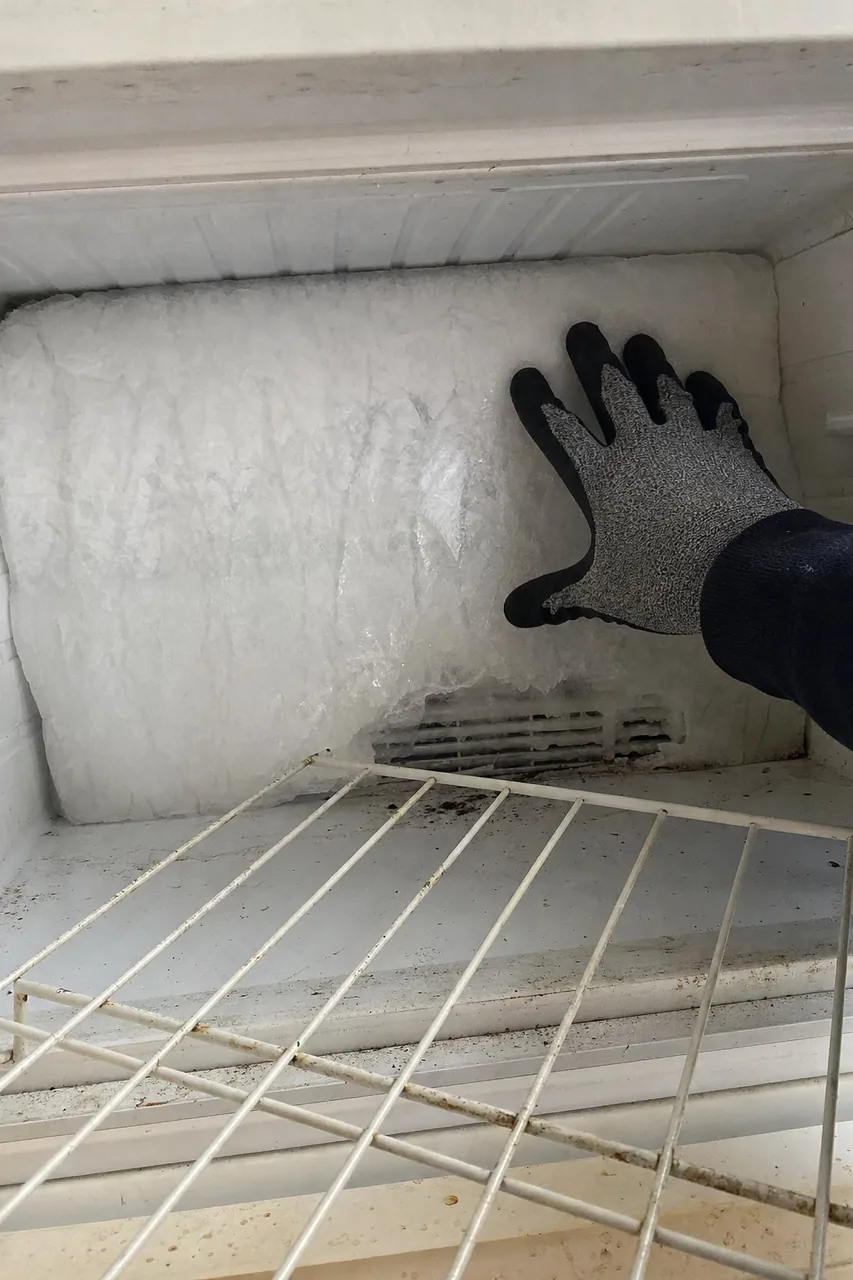
What people call about
- Ice maker is not making ice at all
- Ice production falls off but never stops entirely
- Cubes come out cloudy, hollow or fused together
- Harvest cycle runs and drops nothing
- Water pools in the bin or the bin freezes solid
- Ice tastes of whatever is in the freezer
- Machine runs constantly and the bin never fills
Symptoms, not fault codes. We read the machine in front of us rather than guessing from a list.
Ice is the single most common reason anyone calls a refrigeration shop, and it is also the system most often replaced when it did not need to be. An ice maker is not one part. It is a plumbed supply, a metering valve, a freezing surface, a harvest mechanism, a drain and a level sensor, and each of those fails in a way that looks, from the front of the cabinet, almost exactly like the others.
The only way to tell them apart is to run the machine through a complete cycle with the panel off and watch what it actually does.
Where ice systems actually fail
The supply and the fill valve. Ice starts with a metered volume of water arriving at a set pressure. A supply that is throttled — a saddle valve barely open, a kinked line behind the cabinet, a screen loaded at the inlet — gives short fills, and short fills give small, hollow or half-formed cubes. A valve that fails the other way, not closing cleanly, gives an overfilled mould, a bin frozen into a single mass and water tracking where it should not be.
The freezing surface. Anything that slows heat leaving the plate or the mould lengthens the cycle instead of stopping it. That is why so few people call early: production drops by a third and the bin still fills, just later. Air temperature around the machine matters here too — an ice system fitted into a compartment that cannot exhaust properly will never make its rated volume no matter what is done to the ice hardware itself.
The harvest. Clear-ice machines release the slab by warming the freezing surface slightly so it lets go; cube machines rotate or twist a mould. Either way, a harvest that starts and does not complete leaves the machine beginning its next cycle on top of the last one. That is the classic “runs constantly and makes nothing” call, and the fault is usually in the harvest path, not in the cooling.
The drain. An undercounter ice machine drains meltwater continuously and depends on gravity and a clear path to do it. A drain that narrows backs water into the bin, the bin freezes into one mass, and the level sensing stops seeing anything sensible. Plenty of “bad ice maker” calls are a drain and nothing else.
Bin sensing and controls. Optical or mechanical level sensing tells the machine when to stop. A sensor blinded by a film, misaligned by a knock, or reading through frost will either stop production with a half-empty bin or never stop at all. It is a five-minute check and it is worth doing before anything is ordered.
Maintenance that genuinely helps
Jacksonville Beach tap water is published by JEA at 292 ppm, about 17 grains per gallon, which is hard enough that mineral deposits on any surface that repeatedly freezes and thaws water. Descaling on a schedule with a cleaner intended for potable ice equipment handles that, and twice a year is a reasonable starting point. A carbon filter does not, because dissolved calcium and magnesium pass straight through one — change it for taste, odour and particulate, which is what it is actually for.
The other half of the maintenance is the condenser. A machine rejecting heat poorly holds every cycle longer, and on this coast the coil is part of nearly every ice complaint even when the presenting fault is somewhere else entirely.
What we check on the visit
We run a full fill, freeze and harvest with the panel off, and we time it. Fill volume and fill duration. Water pressure at the inlet. Screen and valve condition. Plate or mould surface, inspected and photographed. Harvest completion. Drain flow with water actually running through it. Bin sensing. Freezer or compartment temperature, because an ice system is only ever as good as the air around it. Condenser condition last, and always.
Only after that do we talk about parts. A great many ice complaints on the beaches are resolved with a clean coil, a clear drain and a valve screen, and we would rather tell you that than sell you an assembly.
If a part genuinely has failed, you get a written estimate first and a genuine OEM part fitted, ordered against the serial number rather than the model, with the lead time told to you before you commit. Our technicians are EPA Section 608 certified for refrigerant handling, we are an independent shop, and we work on Sub-Zero refrigeration only.
How the visit runs
- Diagnostic, $80 flat. Flat $80 diagnostic. It is credited toward the repair if you go ahead with the work.
- Written finding. What is wrong, what caused it, and what the cabinet will do if it is left alone.
- Written estimate. You get a written estimate before any part is ordered or any labor is billed.
- Repair. Genuine OEM parts, and the condenser cleaned before we leave whether or not it was the fault.
Updated August 15, 2026. See pricing and warranty for the full terms.
What does ice maker and ice system repair cost?
Flat $80 diagnostic covering the visit and the full diagnostic sequence, credited toward the repair once you approve the work.
| Work | Typical range |
|---|---|
| Diagnostic visit | $80 flat, credited |
| Ice maker, water valve or supply line | $240–$660 |
| Compressor or sealed-system repair | $920–$2,380 |
Ranges, not quotes. What a cabinet actually needs is settled by readings taken with the grille off, and the figure you are asked to approve is written down before a part is ordered. The whole table is on the pricing page.
Why does the ice come out cloudy, hollow or fused together?
- All three are fill-and-freeze rate faults rather than bad water. A fill valve letting by, a fill tube heater that has failed, or a harvest running early will each change the shape of the cube. We watch a full fill, freeze and harvest cycle before touching the assembly.
The harvest runs and nothing drops. What is that?
- The mould heater, the ejector or the bin sensing, in that order of likelihood. A harvest that cycles and releases nothing usually means the cubes are not being let go of, not that they were never made. Watching one full cycle separates the three in a few minutes.
The ice maker is not making ice. Is it worth repairing?
- Nearly always. The ice band sits near the bottom of the table on this page, a long way below what a replacement cabinet costs, and the fault is usually a fill valve, a filter or a harvest that will not release rather than the assembly itself. Swapping the whole machine on a hunch is the expensive way to be wrong.
Does the water filter really make a difference here?
- It makes the difference you can taste, and one you cannot. A filter long past due slows the fill, which shortens the freeze and hollows the cube, and it lets the ice pick up whatever else is in the freezer. It is the cheapest thing on this page and the most often skipped.