Notes from the machine compartment
What we actually see when the grille comes off, written down so you can decide what to do before anyone bills you for a visit.
These are working notes, not marketing. They describe symptoms and readings, because a symptom you can check yourself is worth more than an adjective. Nothing here invents a fault code. What owners said afterwards is kept separately, in the logbook.
Topics so far: Wine · Ice · Sealed system · Corrosion · Installation · Storms. The feed is at Tide Notes — Seawall Refrigeration.
- Sub-Zero wine cooler problems: what goes wrong first and what you can check
The usual Sub-Zero wine cooler faults in the order they show up, from a warm zone to a dead display, with the checks an owner can safely make first.
October 11, 2026
- Sub-Zero ice maker making noise: normal sounds and fault sounds
How to tell the buzz, click and clatter of a healthy Sub-Zero ice maker from the grinding, rattling and humming that mean a part needs attention.
October 10, 2026
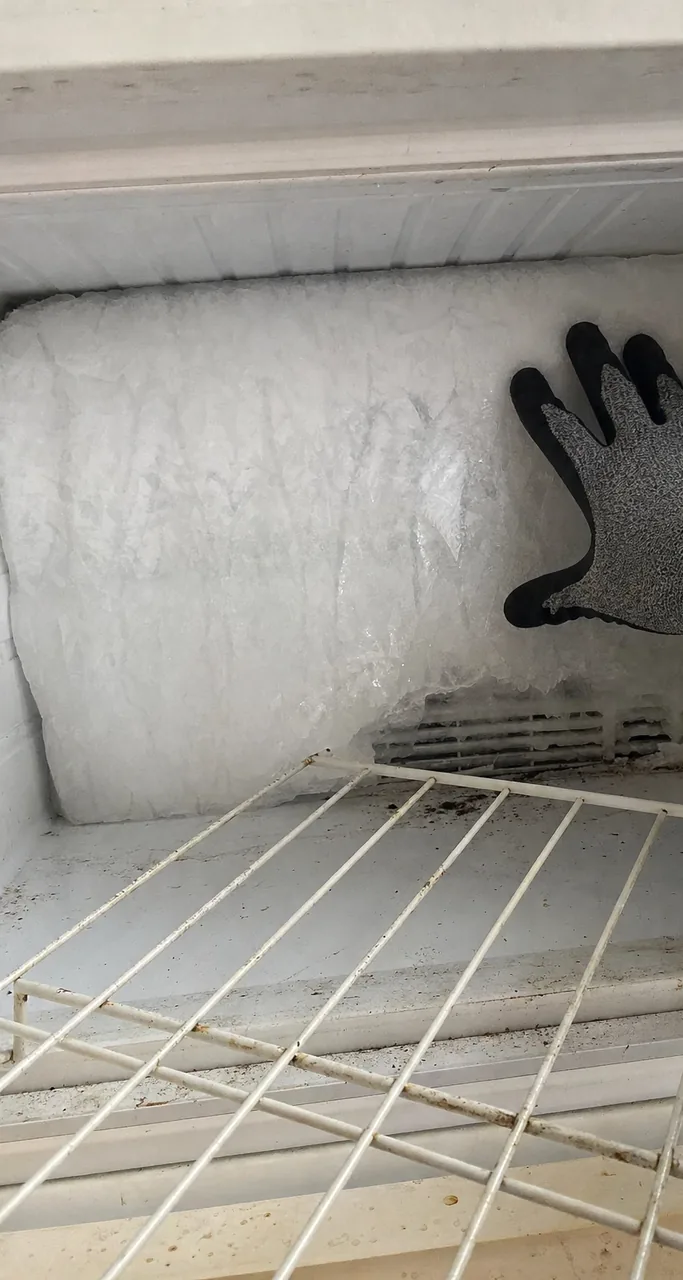
- What a frost pattern tells you before a gauge does
A field note on using frost distribution to separate door, defrost and refrigerant faults without touching the sealed system.
August 15, 2026
- Salt, lint and why beach condensers foul early
A field note on reading condenser fins for salt loading before any cooling complaint shows up.
August 15, 2026
- Fitting a built-in into an older beach cottage
A field note on retrofit installations in older beach houses, and the clearance mistakes that cost cooling capacity for years afterwards.
August 15, 2026
- What a power event does to a refrigerator, weeks later
A field note on storm season, extended outages and delayed electronic failures, and how we separate a failed board from a board being told the wrong thing.
August 15, 2026
- Wine storage in a house on the water
A field note on stability, condensation and placement for wine storage in a coastal house.
August 15, 2026
What do the repairs in these notes cost?
Flat $80 diagnostic covering the visit and the full diagnostic sequence, credited toward the repair once you approve the work.
| Work | Typical range |
|---|---|
| Diagnostic visit | $80 flat, credited |
| Door gasket or seal replacement | $230–$630 |
| Evaporator or condenser fan motor | $270–$590 |
| Defrost heater, thermostat or sensor | $240–$610 |
| Ice maker, water valve or supply line | $240–$660 |
Ranges, not quotes. What a cabinet actually needs is settled by readings taken with the grille off, and the figure you are asked to approve is written down before a part is ordered. The whole table is on the pricing page.
Can I use these notes to fix the cabinet myself?
- Some of it, yes. Clearing a drain, cleaning a condenser and checking door closure are owner jobs and we describe them plainly. Anything that opens the sealed system is not: refrigerant handling is regulated work and the wrong move there turns a part into a cabinet.
What does the repair behind a note normally cost?
- The table on this page is the same published set of bands the rest of the site prints, with the flat diagnostic at the top of it. Each note names the fault it is about, so read the band that matches the fault rather than the whole table.
Is the work covered if the same fault comes back?
- 90 days on labor, 365 days on parts. Genuine OEM parts on every repair. It covers the repair carried out, not a different fault that turns up later somewhere else in the cabinet, and we put in writing which of the two we think you have.