Corroded hardware under the Atlantic Beach canopy
Atlantic Beach carries the same marine load as its neighbours under heavier tree cover, so the hardware goes long before the fin pack looks like a problem.
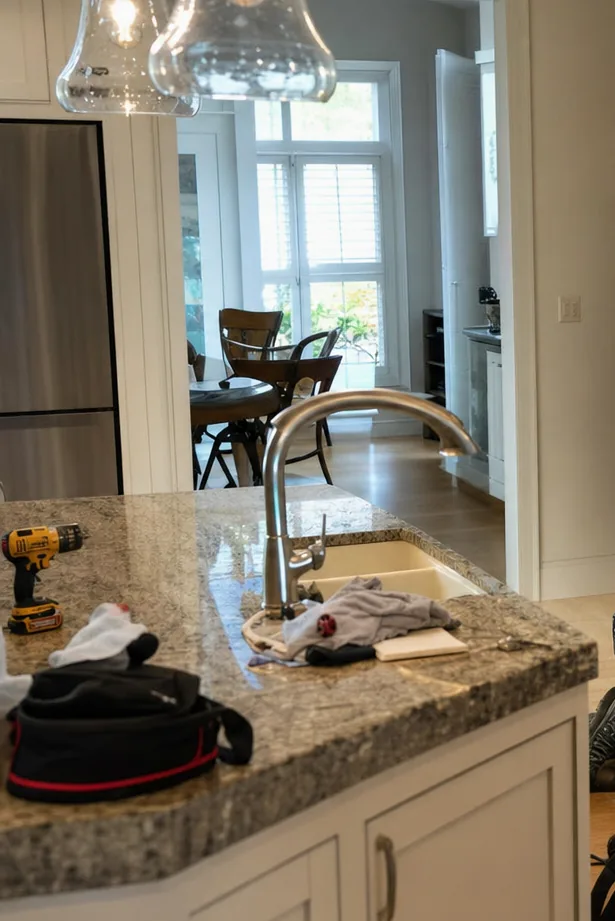
Same marine loading as Jacksonville Beach, with more mature tree cover slowing the wash-off.
- Distance to the Atlantic
- 0.3 mi approx.
- Exposure band
- Near-ocean
- Thunderstorm days
- ~68 a year
Distance to the Atlantic is an approximate straight-line map figure, not a measurement at your address. The exposure band is how we set the starting point for a coil-cleaning interval; what that means on these particular streets is in the text below.
Atlantic Beach is a short drive north along the same barrier island, and for refrigeration purposes it is the same air with different ground cover. Most of the city sits roughly a third of a mile from the Atlantic. The marine load is what you would expect at that distance. The tree canopy is what makes it behave differently.
Shade changes the corrosion pattern
Salt deposits on every exterior and interior surface it can reach. What removes it, mostly, is rain — a heavy shower rinses exposed metal and resets the clock.
Under a mature canopy that rinse never fully arrives. The foliage intercepts the rain, the surfaces underneath stay coated, and the salt that landed last week is still there this week holding moisture against the metal. Shaded lots also dry more slowly after every rain and every heavy dew, so the contact time between chloride and steel is longer per event and there are more events.
The practical result on service calls in Atlantic Beach is a distinctive split: condenser fin packs that look better than we expect for the distance, and hardware — hinge pins, fastener heads, fan shrouds, drawer runners — that looks worse. We inspect accordingly here, and we spend more of the visit on mechanical corrosion than on the coil.
The canopy contributes debris as well. Pollen in spring and leaf litter through autumn migrate indoors and settle at floor level, which is exactly where an undercounter toe grille lives. Grille checks matter more on these lots than the distance from the ocean alone would suggest.
Doors, gaskets and closure
The second thing we inspect here, after the machine compartment, is the door — because a cabinet that cannot close properly produces symptoms that read as a refrigeration fault and are not one.
A built-in door carries a magnetic gasket in a channel around its full perimeter, and it seals by being pulled flat against the cabinet face. That depends on three things at once: a gasket that is still pliable and unsplit, hinge geometry holding the door square, and the cabinet sitting level in its opening. Any one of the three failing produces the same complaint — a stretch of perimeter that no longer touches.
The tell is where frost collects. Frost spread evenly across an evaporator is a system reading. Frost concentrated on one side of a freezer, or in one top or bottom corner, is humid room air walking in through a gap and freezing where it lands. Panel-ready doors make it worse, because a custom panel puts real weight at the outermost edge of the swing, and hinge hardware carrying that weight in salt air for a decade stiffens long before it breaks.
So we check closure around the whole perimeter rather than at the handle, look at the gasket for set and for splits at the corners, and check the hinge for drag rather than only for movement. A gasket is a modest part. A compressor asked to fight one for two summers is not.
Housing stock
Atlantic Beach runs from small older cottages on tight lots through to larger renovated houses, and the renovation projects are where we see the most interesting problems. A kitchen taken back to the studs usually gets the clearances right. What it does not always get right is what happens afterwards: a toe kick rebuilt a half inch deeper by a later trim carpenter, a run of storage added in front of a grille, a masonry surround on the patio built to a drawing rather than to the appliance in it.
Every one of those restricts the compartment, and a restricted compartment makes the condenser breathe its own exhaust. Head pressure rises, run time rises, and the cabinet quietly gives up its last few degrees on the hottest week of the year. We measure clearance and exhaust temperature before we open anything else.
Storms and boards
Roughly sixty-eight thunderstorm days a year land on this coast. Boards fail from cumulative surge exposure rather than from a single strike, and the symptoms are intermittent and easy to misread. We verify the sensors feeding a control before replacing the control, because a healthy board acting on a wrong reading is indistinguishable from a failed one until you meter it.
Booking a visit
You get measured readings, a written finding, a written estimate before any part is ordered, and genuine OEM parts. We are an independent shop, our technicians are EPA Section 608 certified for refrigerant handling, and Sub-Zero refrigeration is the only thing we service.
What does a repair on these streets cost?
Flat $80 diagnostic covering the visit and the full diagnostic sequence, credited toward the repair once you approve the work.
| Work | Typical range |
|---|---|
| Diagnostic visit | $80 flat, credited |
| Door gasket or seal replacement | $230–$630 |
| Evaporator or condenser fan motor | $270–$590 |
| Defrost heater, thermostat or sensor | $240–$610 |
| Ice maker, water valve or supply line | $240–$660 |
Ranges, not quotes. What a cabinet actually needs is settled by readings taken with the grille off, and the figure you are asked to approve is written down before a part is ordered. The whole table is on the pricing page.
Does tree cover protect a condenser here?
- Not the way people expect. The canopy keeps the rain off as well as the sun, so salt that lands on hardware is not washed away and simply keeps working in the damp. Shaded houses in Atlantic Beach often show cleaner fins and worse fasteners than the houses out in the open.
Do you charge more to come to Atlantic Beach?
- No. Travel inside the service area is already in the diagnostic fee, and the repair bands are the same here as they are on the oceanfront blocks. What changes across the beaches is which fault you are likely to have, not what putting it right costs.
How soon should I call about condensation on the door frame?
- Before it becomes a cooling complaint. Beading on the frame means the cabinet is taking in humid air, and the frost, the run time and the bill all follow from that. A closure or a gasket dealt with early is the cheapest visit we make.
Updated August 15, 2026.